
The Black Bream Project
Revealing the secrets of black bream
breeding behaviour off the Dorset coast
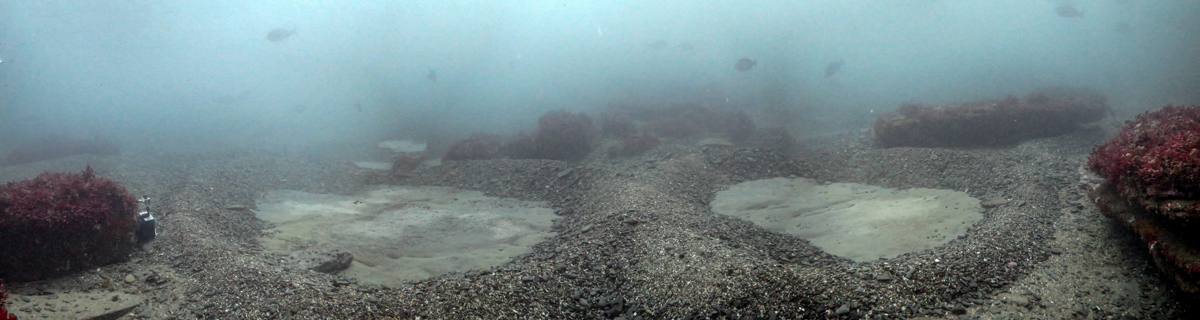
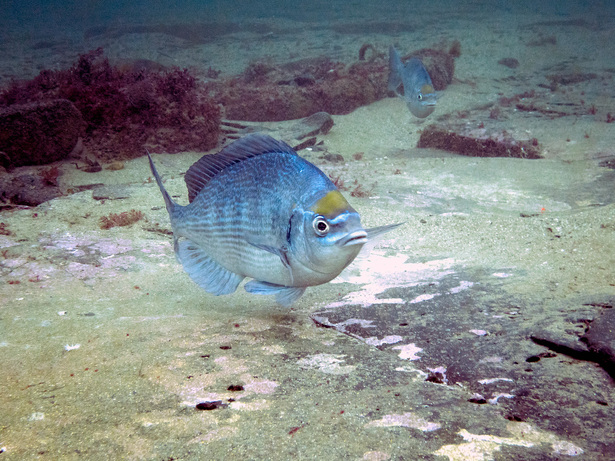
Each year around Easter time, at sites throughout Dorset, the seabed is transformed into a spectacle of nature as tens of thousands of black bream (Spondyliosoma cantharus) arrive to breed.
For a better understanding of natural breeding behaviour, we used autonomous video cameras on the seabed in the nesting areas between Kimmeridge and Poole Bay to record what happens when the divers are not there.
- Monitoring life on Dorset’s black bream nesting areas
- Recording the bream arrive in large shoals
- Watching the male, build the nests, keep other fish away and attract passing females.
- Observing the predators taking advantage of an empty nest.
Exploring the life of undulate skates along the Dorset coast.

Rays were swimming in our seas when dinosaurs walked along British shores.
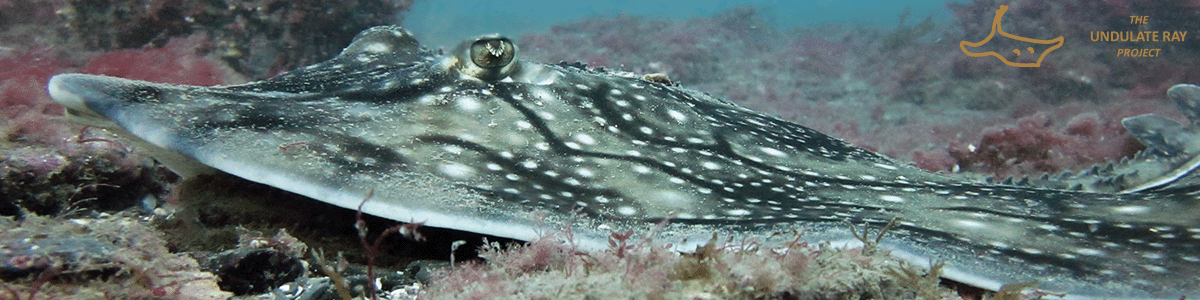
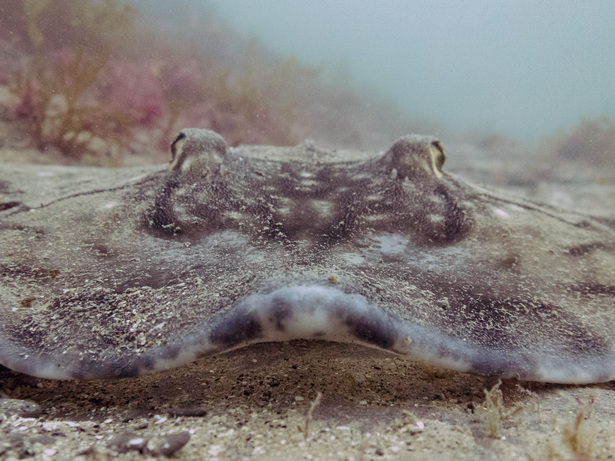
The undulate skate (Raja undulata) can still be found along the Jurassic Coast, but little is known about their habits and movements. Although commonly referred to as “rays” they are technically a skate, part of the Elasmobranch class of cartilaginous fish which includes all sharks, rays and skates they always used to be referred to as undulate rays , and sometimes still are.
Repeatedly seen in some Dorset locations, each individual ray can be identified from photographs using image recognition software to analyse the unique pattern on their dorsal side. This enables us to determine that in the wild they can live for at least 15 years.
We have recorded their return to specific sites over several years. Interestingly, not only do individual rays return to a site but combinations appearing at similar times suggest they may travel or come back together in regular groups.
The Wreck of the Netley Abbey
Discover the background to the wreck of a large iron steamship,
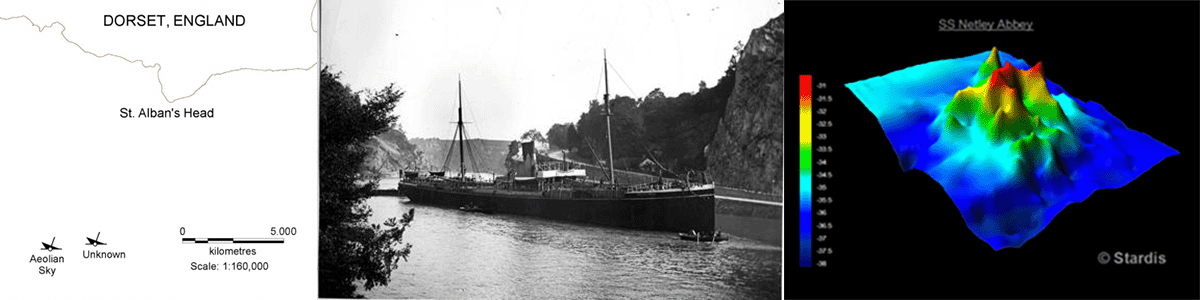
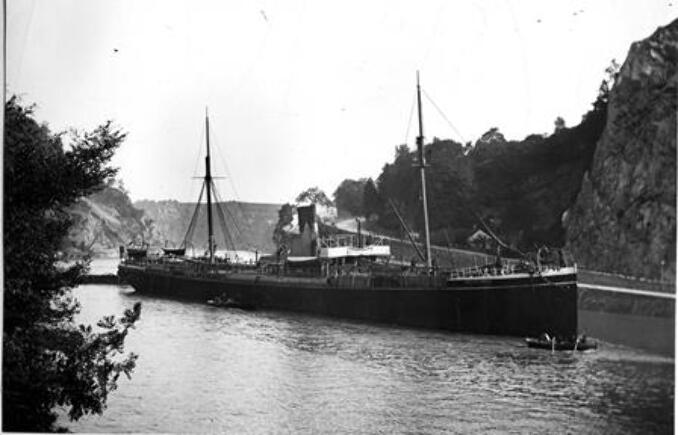
Netley Abbey sunk by collision with HMS Surprise in 1899.
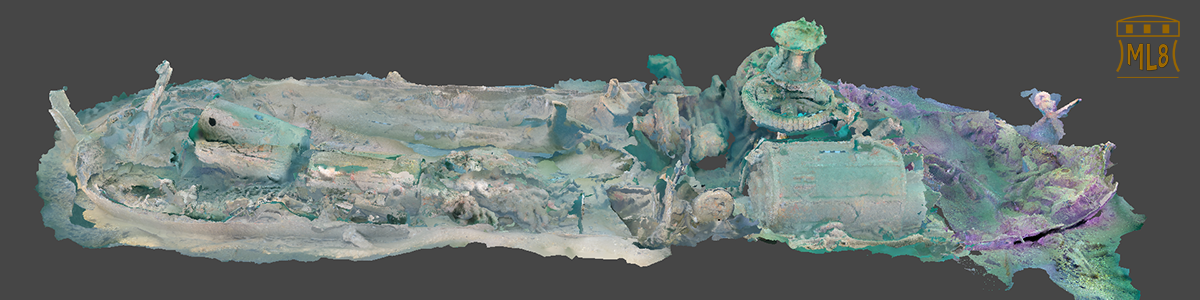
In the best known dive site manual of Dorset this wreck is called the Hartburn with the request that divers look for the cargo of trucks to confirm the identity. The trucks were missing and so began the search for the identity of the wreck. Using information gathered from the wreck and a search of archives, systematically eliminating possible candidates drew the conclusion that she is the Netley Abbey along with her cargo of coal. The confusion over the identity of wreck began with sloppy journalism when the story of the accident was syndicated. She sank as a result of a collision with HMS Surprise in 1899. This is the story of how she was identified.
.